
Diesel (gas oil / D2) remains the workhorse fuel of the regions we serve. Unlike mature markets, demand here is driven less by passenger transport and more by power generation, construction, marine and agriculture, sectors that run continuously and are sensitive to reliability of supply rather than headline price alone.
Who is buying, and why
- Power: off-grid and back-up generation across East Africa and South Asia, plus industrial estates in the Gulf running captive power.
- Construction: site plant, batching, and the haulage behind large infrastructure programmes.
- Marine: fishing fleets, coastal shipping and port equipment.
- Agriculture: irrigation pumps and farm machinery whose demand follows the planting calendar.
Supply structure shapes the market
In markets where refined product is supplied predominantly by government-linked refiners and alternative sources are constrained, buyers place weight on a compliant counterparty that can evidence grade, documentation and delivery. Price matters, but a cargo that cannot clear a bank's compliance check is worth nothing.
Seasonality is real
Irrigation cycles, construction schedules and monsoon-driven power demand all shift the timing of cargoes across India, Pakistan, Kenya and the wider Gulf. Buyers who plan storage and nominations around these cycles pay less and wait less.
Practical takeaways
- Confirm the sulphur specification your end-use actually needs; 10 ppm is not always necessary for power or marine applications.
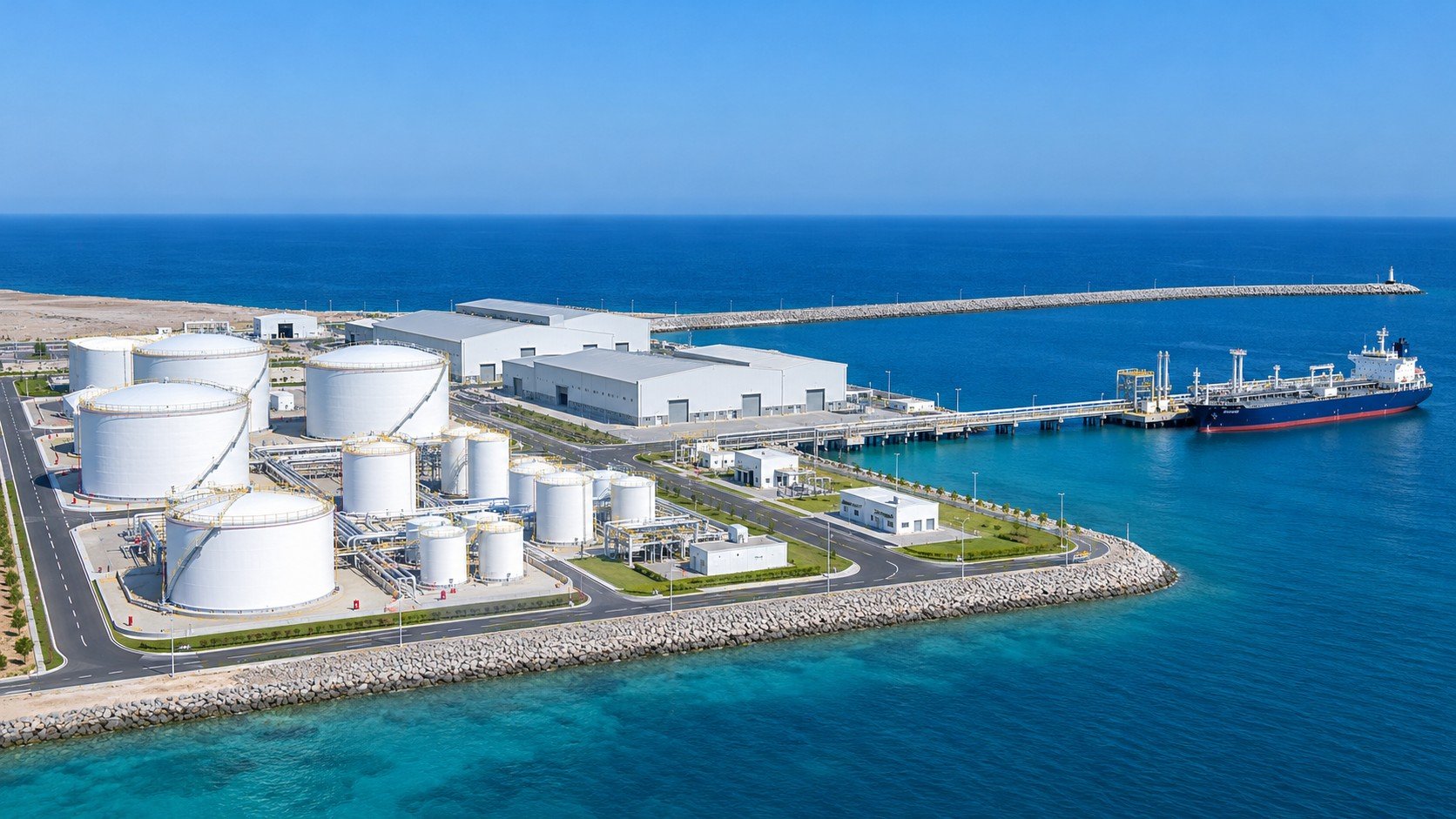
- Build storage into the plan where possible. Dedicated tankage turns a spot problem into a programme.
- Treat KYC and documentation as part of the product, not an afterthought.
General market education only. Not investment, financial or trading advice.